

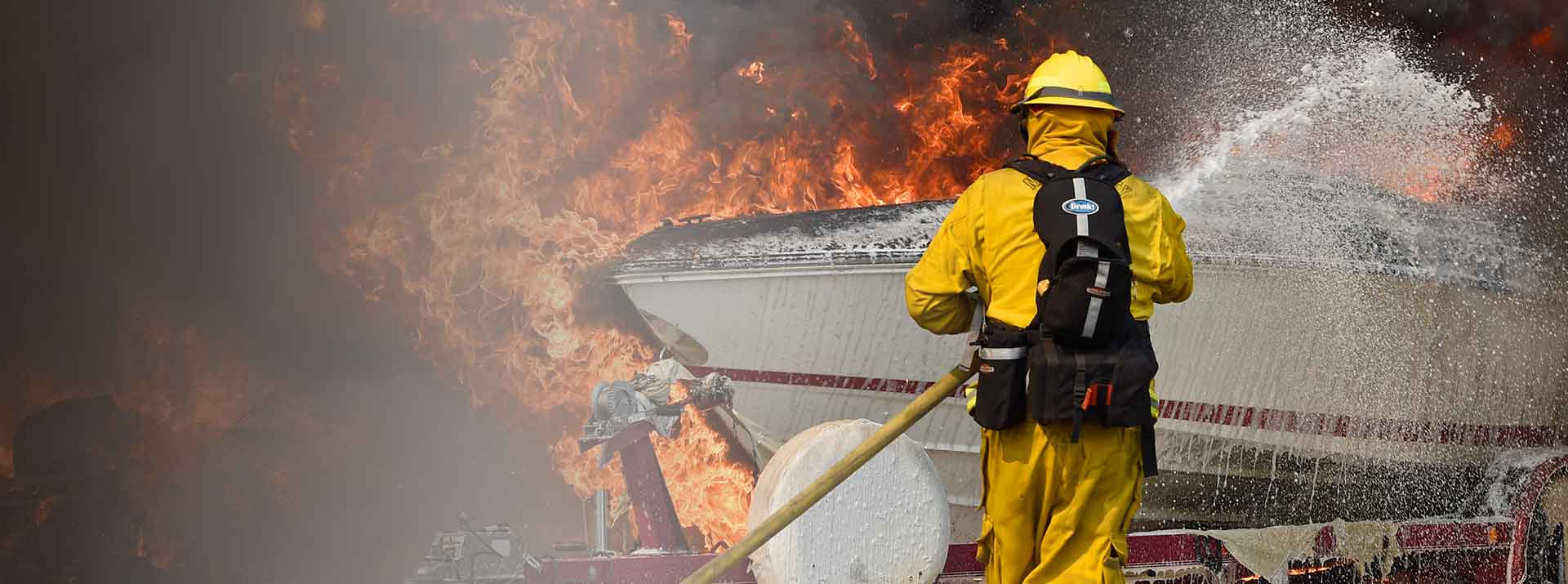
Fires in the hospitality industry can have devastating consequences, both in terms of human safety and property damage. Understanding the common causes can help in preventing such incidents. Here are five common causes of fire in the hospitality industry:
1. Kitchen Fires
- Cause: Commercial kitchens are high-risk areas due to the presence of open flames, hot surfaces, cooking oils, and electrical equipment. Grease fires, in particular, are a significant hazard.
- Prevention: Regular cleaning of cooking equipment, proper maintenance of exhaust hoods and ducts, and installing kitchen suppression systems are critical in preventing kitchen fires.
2. Electrical Faults
- Cause: Faulty wiring, overloaded circuits, and malfunctioning electrical appliances can lead to short circuits, sparking, and ultimately, fires.
- Prevention: Regular inspection and maintenance of electrical systems, using certified electrical equipment, and avoiding the overloading of power outlets are essential to prevent electrical fires.
3. Heating Equipment
- Cause: Improper use or malfunctioning of heating equipment like boilers, water heaters, and space heaters can cause fires. Inadequate ventilation and the proximity of combustible materials to heating sources also increase the risk.
- Prevention: Ensuring that heating equipment is regularly serviced, properly installed, and kept away from flammable materials can help reduce the risk of fires.
4. Smoking-Related Incidents
- Cause: Careless disposal of smoking materials, such as cigarettes, can ignite fires, particularly in areas with flammable materials like bedding, upholstery, and carpets.
- Prevention: Designating smoking areas away from buildings, providing proper disposal containers, and enforcing no-smoking policies in rooms and other high-risk areas are effective preventive measures.
5. Arson
- Cause: Deliberate acts of setting fires by disgruntled employees, guests, or intruders can cause significant damage.
- Prevention: Implementing security measures, such as surveillance cameras, controlled access, and staff training to recognize suspicious behavior, can help deter and prevent arson.
Additional Preventive Measures:
- Fire Safety Training: Regular fire safety training for staff, including evacuation drills and proper use of fire extinguishers.
- Fire Alarms and Detection Systems: Installation of smoke detectors, fire alarms, and sprinkler systems throughout the facility to ensure early detection and response to fires.
- Regular Inspections: Conducting routine fire safety inspections to identify and mitigate potential hazards.
By addressing these common causes and implementing robust fire prevention strategies, the hospitality industry can significantly reduce the risk of fires and ensure the safety of guests and staff.